
Embarking on a home renovation project can be both exciting and overwhelming. A home renovation checklist is an indispensable tool that ensures the process is as smooth and efficient as possible. By having a structured plan, homeowners can prioritize tasks effectively, adhere to a realistic budget, and minimize the risk of common pitfalls. The checklist serves not only as a roadmap but as a strategic guide to maximizing every resource and opportunity available during the remodeling journey.
Utilizing a home renovation checklist enhances organization by breaking down the project into manageable phases. This allows homeowners to track progress easily, ensuring that no step is overlooked. Efficiency is another crucial advantage, as a well-structured checklist can streamline tasks, allocate resources effectively, and reduce unnecessary delays. Each checked-off item on the list brings you one step closer to achieving your dream home.
The initial planning phase of your home renovation checklist sets the foundation for a successful remodel. Begin by clearly defining the project’s scope and researching necessary permits to avoid legal obstacles down the line. Investing time in choosing the right contractors can significantly impact the quality and timeline of the work. An effective home renovation checklist will facilitate these steps, guiding you toward a transformation that aligns with your vision and lifestyle.
Establishing the right framework for a home renovation is crucial to its success. Defining the scope of your home renovation checklist is the first step in setting a clear path towards achieving your renovation goals. It involves every stakeholder in a transparent conversation about what needs to be done, allowing everyone to share a mutual understanding and agreement on the renovation plans. Crucially, this involves deciding on the specific areas of your home that require changes, understanding the limitations of the project, and projecting the aspirational goals you have in mind.
It’s essential to start your home renovation checklist by setting clear and specific goals. Ask yourself what you hope to achieve with this renovation and list out priorities. Are you aiming for a more energy-efficient home or simply a fresh look for your interiors? Make these goals specific to guide both you and any professionals involved towards a unified vision. This will prevent deviations and ensure your project delivers the desired results.
Defining boundaries is another integral part of your home renovation checklist. Ensure all parties know the physical and budgetary constraints from the outset. Identifying what can be altered and what must remain intact helps manage expectations. Additionally, consider any legal limitations by verifying permit requirements for your project. This proactive approach will maintain harmony among those involved and streamline the renovation process.
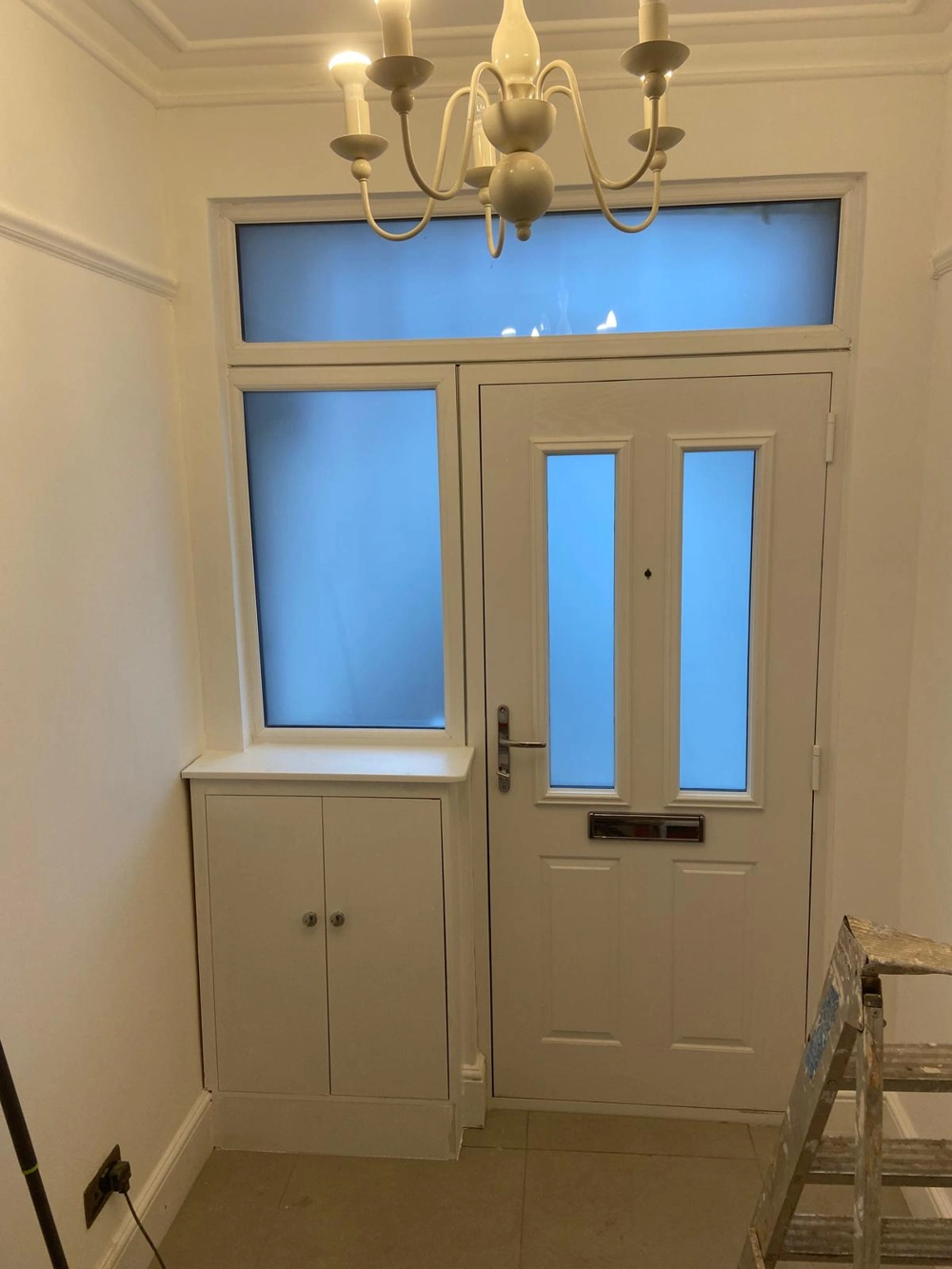
Creating a comprehensive budget is crucial in ensuring the success of any renovation project. Begin by listing all anticipated expenses, from materials and labor to permits and unforeseen costs. This is a foundational part of your home renovation checklist. Be realistic about your financial limits and prioritize accordingly, focusing on the essential elements first. Clear documentation helps prevent overspending and keeps your project within scope.
Staying financially disciplined is key when following your budget. Regularly review the costs against your home renovation checklist to ensure you are on track. Don’t hesitate to make adjustments if prices fluctuate or unexpected issues arise. Flexibility allows you to address challenges without compromising the entire renovation.
To avoid common pitfalls like budget overruns, it’s vital to incorporate a contingency fund within your home renovation checklist. This safety net helps cover unexpected expenses and keeps the project moving smoothly. Regular updates and open communication with contractors can also aid in maintaining the financial health of your renovation, ensuring a successful outcome.
Navigating the permit and approval process is a critical aspect of any successful home renovation checklist. Before diving into your renovation project, it’s essential to familiarize yourself with the legal and regulatory requirements that govern construction activities in your area. Obtaining the necessary permits and approvals ensures that your project adheres to local building codes and avoids potential fines or delays. Non-compliance can lead to work stoppage orders, costly penalties, or even the requirement to reverse unauthorized modifications, derailing your project’s timeline and budget.
Permits typically cover construction aspects such as electrical work, plumbing, structural changes, and more, depending on the scope of your project. To ensure you are fully compliant, start by identifying all necessary permits for your renovation plans. Consulting with local building authorities or an experienced contractor can provide clarity on which permits are required. It’s important to include permit acquisition as an integral part of your home renovation checklist, ensuring a seamless and legal progression of your project.
1. Research local building codes and regulations.
2. Prepare detailed renovation plans for submission.
3. Apply for needed permits early in the planning phase.
4. Schedule inspections as necessary throughout the project.
Following these steps minimizes the risk of encountering compliance issues. Regularly updating your home renovation checklist with permit-related tasks ensures you’re on top of every requirement, ultimately leading to a successful project completion.
Finding the right contractors and professionals is a crucial step in your home renovation checklist. Start by researching potential candidates, looking into their backgrounds, portfolios, and reviews. This initial step can save you from future headaches as you can weed out those who don’t have a solid reputation. It’s vital to find contractors who are not only experienced but also specialize in the type of renovation you are planning.
When you’ve narrowed down your list, the next step is to conduct thorough interviews. Prepare a list of questions focusing on their past experiences with similar projects, timelines, and work ethics. A successful interview process will help you gauge whether the person is a good fit for your home renovation checklist needs. Listen for professionalism and enthusiasm in their responses, as these traits often reflect their commitment to quality work.
Before making your final decision, ensure you have verified their references and checked any necessary credentials or permits. A reliable contractor should readily provide this information. Don’t forget to discuss and agree on a detailed contract that outlines every aspect of the project to prevent misunderstandings. Incorporating these practices into your home renovation checklist will contribute significantly to a smooth and successful renovation process.
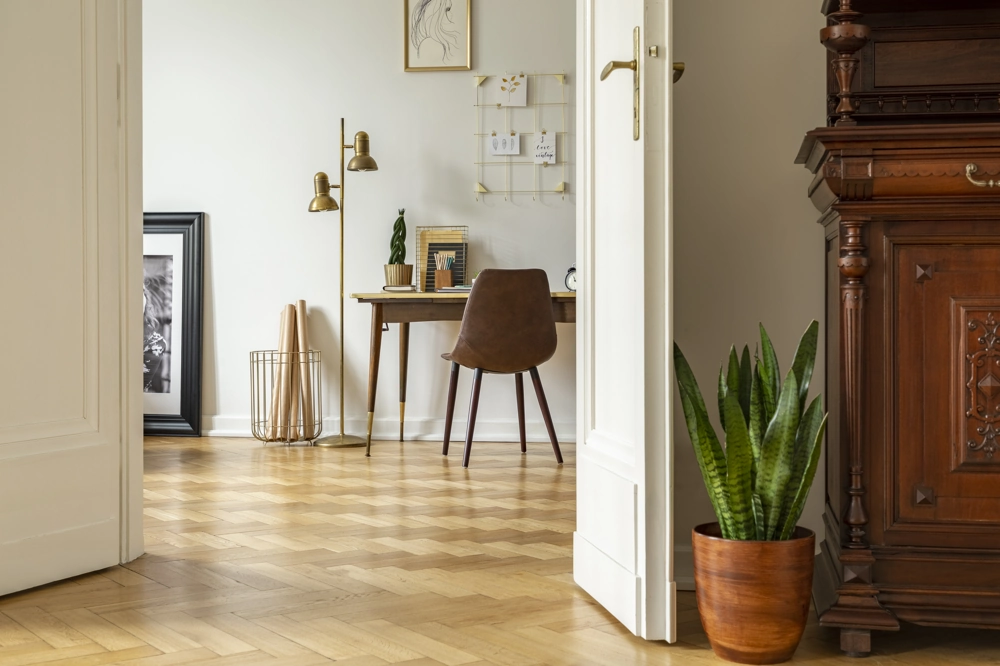
Upgrading your kitchen and bathroom can significantly enhance the value and functionality of your home. As part of your home renovation checklist, consider integrating the latest trends and practical enhancements that cater to both aesthetics and usability. In the kitchen, for instance, open shelving is gaining popularity for its ability to showcase elegant dishware and create a more spacious feel. It pairs well with energy-efficient appliances, which not only lower utility bills but also increase the sustainability of your home. Meanwhile, bathrooms are seeing a transformation with the introduction of frameless glass showers and floating vanities, adding a modern touch that maximizes space and accessibility.
Including energy-efficient solutions in your home renovation checklist is crucial for both kitchen and bathroom upgrades. Kitchens can benefit from the installation of LED lighting and Energy Star-rated appliances, while bathrooms can incorporate low-flow toilets and water-saving faucets. These improvements not only reduce your carbon footprint but also contribute to long-term savings on energy and water bills.
When considering upgrades, think about maximizing space and functionality. In small kitchen areas, multifunctional islands that offer extra storage and seating space are a smart addition. Bathrooms, on the other hand, can be improved with wall-mounted storage solutions that keep the space organized and clutter-free. Ensuring these upgrades are part of your home renovation checklist will help streamline the process and ensure efficient use of your space.
When considering flooring changes in the context of a home renovation checklist, selecting the right material and style is crucial to meet both aesthetic preferences and practical needs. With numerous options available, homeowners can choose from hardwood, laminate, tile, and vinyl, each offering unique benefits. Durability and maintenance are key factors to keep in mind, ensuring longevity and minimal upkeep.
Hardwood flooring remains a popular choice for many due to its timeless appeal and durability. It adds value to the home and can be refinished multiple times, which is highly advantageous for long-term use. However, the home renovation checklist should account for its susceptibility to water damage and higher maintenance requirements.
Tile and vinyl are excellent choices for high-traffic areas or homes with pets. They are resistant to moisture and easy to clean, making them ideal for bathrooms and kitchens. With a variety of styles and colors, these options can fit any design scheme while maintaining practicality within the home renovation checklist.
For those looking for an economical yet stylish option, laminate flooring is a great alternative. It imitates the look of hardwood and is resistant to scratches and stains. This makes it suitable for families with children, aligning perfectly with the considerations of a comprehensive home renovation checklist.
Choosing the right color scheme can significantly influence the atmosphere of your home. When considering your home renovation checklist, it’s crucial to think about how different colors will complement the overall design of each space. A well-thought-out palette can bring unity and harmony, transforming a simple room into a cozy haven or a bold statement. Take into account the amount of natural light a room receives when picking colors, as this can affect their shade and intensity.
Color psychology plays an essential role in the home renovation checklist. Different colors evoke different emotions and reactions. For example, soft blues and greens are known for their calming effects, while warm tones like red and yellow can energize and invigorate. Understanding these nuances can aid in selecting hues that not only enhance the visual appeal but also promote a positive mood and productivity.
Incorporating various painting techniques can further elevate your home’s aesthetic. Techniques such as accent walls, ombre effects, and textured finishes can add depth and interest, making your home feel more personalized. Make sure your home renovation checklist includes a plan for these techniques, considering the current trends and your personal style. By doing so, you ensure a timeless look that remains in vogue for years to come.

Improving the energy efficiency of your home is a crucial component of any successful home renovation checklist. Emphasizing eco-friendly upgrades not only contributes to a more sustainable future but also significantly reduces long-term utility costs. Begin by focussing on insulation, which serves as the foundation of any energy-efficient home. By enhancing your insulation, you retain more heat in the winter and keep your home cooler in the summer, offering considerable savings on energy bills.
Windows are another focal area that can greatly enhance energy efficiency. Consider replacing old windows with modern, energy-efficient models that help maintain a stable indoor temperature. These windows typically feature double or triple glazing and low-emissivity coatings, minimizing heat transfer. Such upgrades not only improve your home’s comfort but also contribute significantly to the overall effectiveness of your home renovation checklist.
The integration of energy-efficient appliances is a practical step in boosting your home’s sustainability. Modern appliances often come with high energy ratings and smart technology, allowing for reduced energy consumption and better control. By incorporating these appliances, your home renovation checklist will ensure that your updates reflect the latest in energy-saving technology, further enhancing the value and efficiency of your home.
Developing a realistic timeline is a cornerstone of a successful home renovation project. Homeowners can use the home renovation checklist to break down the renovation process into manageable phases, ensuring that each task is completed on schedule. It is essential to allocate time for unexpected delays as part of the planning process. By clearly outlining each phase on the home renovation checklist, from initial demolition to the final inspection, homeowners can prevent common pitfalls such as overlapping tasks or missed deadlines.
Begin by prioritizing renovation phases based on your needs and budget. Using the home renovation checklist, determine which areas require immediate attention and which can be scheduled for later. For example, structural work might be prioritized before aesthetic changes. This approach ensures that critical tasks receive timely focus.
Flexibility is key when adhering to your timeline. External factors such as material supply and contractor availability might affect your schedule. Regularly updating the home renovation checklist allows homeowners to shift tasks around unforeseen circumstances. Adapting promptly to these changes can help keep the project on track without significant disruption.
By following these strategies and revisiting your home renovation checklist regularly, you can navigate the complexity of each phase with confidence and precision.
Unexpected challenges during home renovation projects are often the cause of budget overruns and project delays. By integrating a comprehensive home renovation checklist, homeowners can better anticipate issues before they arise. It’s crucial to define the scope of your project clearly and review it regularly. This practice helps you identify elements that may exceed initial cost expectations, making it easier to adjust plans as needed. Furthermore, consider setting aside a contingency fund to cover unforeseen expenses, ensuring financial flexibility throughout the renovation.
Many homeowners face delays due to inadequate planning. A well-structured home renovation checklist can serve as your roadmap, outlining each phase and minimizing the risks of setbacks. Obtain all necessary permits early to avoid later interruptions. Additionally, timely communication with contractors or professionals can preempt misunderstandings and ensure everyone is aligned. By regularly updating your checklist, you can accommodate changes in design trends and materials, preventing last-minute surprises.
A successful renovation project hinges on maintaining a tight schedule. With a detailed home renovation checklist, you can allocate appropriate timelines to each phase, from planning to completion. Monitor these timelines closely and adjust them as needed, taking note of any delays that might require rescheduling. Properly managing this schedule helps prevent frustration on both sides—the homeowner’s and the contractors’—and fosters a smoother, more enjoyable renovation process.

Design trends in home renovation are continuously evolving, inspiring homeowners to infuse their projects with fresh ideas. To successfully incorporate these contemporary elements, one must approach the home renovation checklist with flexibility and awareness of current styles. Whether it’s the incorporation of sustainable materials or integrating smart technology, staying informed helps maintain the aesthetic and functional longevity of a home. This foresight ensures that designs not only align with current trends but also enrich the property’s value long-term.
Sustainability remains a leading trend in design, highlighting eco-friendly materials such as bamboo flooring and recycled glass countertops. Including these materials in the home renovation checklist not only reduces environmental impact but also appeals to an increasingly eco-conscious market. This focus on sustainable design elements ensures that renovations both meet modern standards and stand the test of time.
Integrating smart technology into your renovation plans is another way to align with modern design trends. Automated lighting and climate control systems are features frequently added to the home renovation checklist. These upgrades provide convenience, enhance energy efficiency, and add a touch of modern luxury to living spaces, ensuring the home remains up-to-date with technological advancements.
To ensure a design that lasts, blend trendy elements with classic styles. Choose neutral color schemes and versatile fixtures that will endure changing tastes. By making these choices, the home renovation checklist remains balanced, blending timeless appeal with contemporary touches to create spaces that feel modern yet enduring.
Wrapping up a home renovation project involves several crucial steps to ensure everything is completed successfully. One of the most important is final inspections. These inspections help to ensure all elements meet local building codes and that the work matches the plans outlined in your home renovation checklist. Inspectors typically examine structural changes, electrical systems, and plumbing to guarantee safety and functionality. It’s wise to prepare by reviewing each component of the project to confirm it aligns with your initial goals outlined in your home renovation checklist.
Even after the work is finished, it’s important to focus on post-renovation maintenance. This phase includes tasks such as cleaning, organizing, and ensuring all new installations are operating correctly. Regular maintenance helps prevent costly repairs and keeps your renovation looking fresh. Checking warranties and educating yourself on maintaining new materials or appliances, as noted in your home renovation checklist, can ensure longevity.
Finally, use your completed project as a learning experience. Reflect on what went smoothly and what could have been improved. This reflection can be invaluable for future renovations or for sharing advice with others. Additionally, keep your home renovation checklist updated with lessons learned and new insights on trends and materials. This proactive approach will streamline any future projects and help you avoid previous pitfalls.