
Beginning your budgeting journey for a loft conversion in 2026 requires a comprehensive understanding of the financial landscape. The loft conversion cost can vary widely due to factors like the size and type of conversion you choose. Whether it’s a basic dormer or a high-end mansard, planning for these variables is essential. Capturing the full picture also means accounting for additional expenses such as architectural fees, building permits, and possible structural reinforcements.
Ahead of your project, assess initial costs to lay a strong foundation for your budget. Knowing that basic conversions may start at about $30,000 is pivotal, while more luxurious options might push the loft conversion cost above $70,000. Factoring in urban location constraints can help estimate labor and material expenses, ensuring you’re prepared financially.
Managing a loft conversion cost effectively includes setting aside funds for potential surprises. Unforeseen issues like insulation, plumbing, and electrical work are critical to account for. It is advisable to acquire multiple quotes from contractors to avoid unexpected financial surprises. Creating a detailed list of expenses fosters better financial management, providing peace of mind throughout your renovation journey.
Embarking on a loft conversion project is an exciting venture that can significantly enhance your living space and property value. Understanding the loft conversion cost is crucial as it encompasses several foundational expenses. First and foremost, design typically plays a pivotal role in the budget; whether you opt for a simple layout or a more intricate plan with bespoke features, your choices will greatly impact the overall cost. Labor is another critical consideration, as skilled tradespeople will ensure that the renovation is executed to the highest standards.
Materials also represent a significant portion of the loft conversion cost. Depending on your preferences, the selection ranges from basic to high-end options, each influencing the final budget. Ensuring you use quality materials is essential, as they contribute not only to the aesthetics but also to the durability and functionality of the new space.
Besides primary factors such as design, labor, and materials, several other components affect the loft conversion cost. These include necessary expenses like architectural fees, building permits, and possible structural reinforcements. Costs related to insulation, plumbing, and electrical work cannot be overlooked either, as they are vital to creating a comfortable and safe environment. By considering these elements, you pave the way for a successful and financially sound loft conversion.
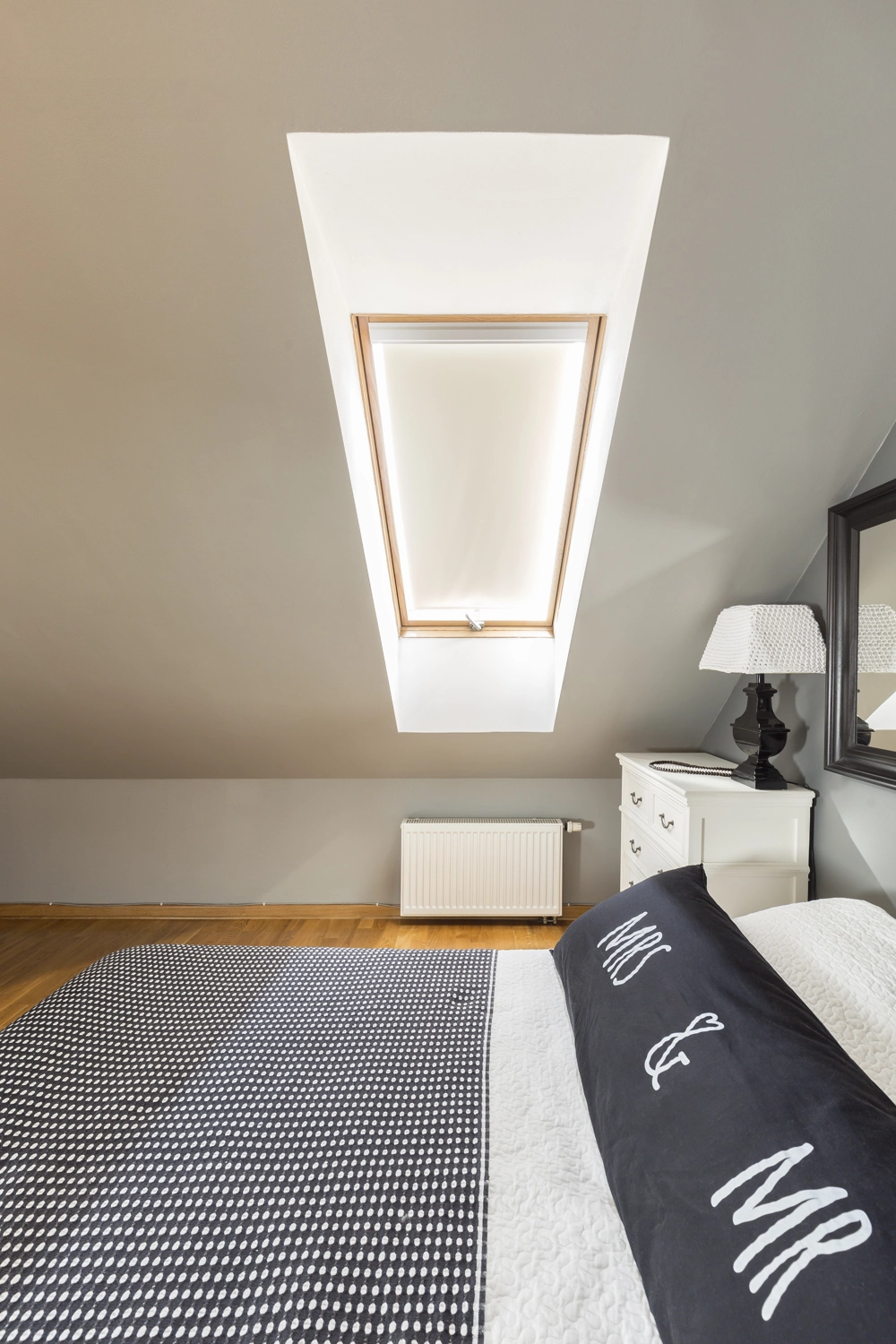
When considering a loft conversion in 2026, understanding the factors influencing the loft conversion cost is crucial. The size of your loft plays a pivotal role in determining the overall cost, as larger lofts typically require more materials and labor. Conversion types, such as dormer, hip-to-gable, or mansard, also impact costs due to varying structural requirements. Material choice further affects your budget; opting for high-end finishes or eco-friendly materials may significantly increase expenses.
The loft conversion cost is intricately linked to both the size of the loft and the conversion type you select. For instance, a hip-to-gable conversion may be more cost-intensive than a basic dormer conversion due to its structural complexities. The interaction between these two factors can greatly affect financial planning. Homeowners should carefully assess their specific needs and plans to manage the overall loft conversion cost effectively.
Material selection is another key factor shaping the loft conversion cost. High-quality materials elevate the aesthetic and longevity of the conversion but come at a higher price. In contrast, budget materials may reduce upfront costs but potentially incur higher maintenance in the future. Ensuring the right balance between quality and expense can help in optimizing the loft conversion cost.
Converting a loft is an attractive way to enhance living space, and understanding the loft conversion cost is crucial. Dormer loft conversions, characterized by an extension of the existing roof, are one of the most common choices. These conversions generally involve adding a dormer window to increase headspace, which influences budget allocations, as additional structural work may be necessary. The loft conversion cost for a dormer typically starts at $30,000 but can rise significantly with premium materials and finishes.
The hip-to-gable conversion is suitable for properties with a hipped roof. This type of conversion involves converting the sloped side of the roof to a vertical gable wall, thereby increasing loft space. Given the substantial structural changes, the loft conversion cost can be notably higher than a dormer conversion, often starting at approximately $40,000. The design features inherent in hip-to-gable conversions have a direct impact on overall budget considerations, especially when including high-end design elements.
Mansard loft conversions offer the most significant increase in space and versatility. This conversion involves altering a roof’s structure extensively by creating nearly vertical walls, typically on one or both sides of the house. As a result, the loft conversion cost for a mansard is usually the highest among the three, starting at around $50,000. The combination of intricate design features and structural demands requires a higher investment, but it provides the most expansive living area.
When considering a dormer loft conversion, understanding the loft conversion cost is crucial for effective budgeting. Dormer conversions are popular due to their ability to add both space and natural light, transforming an attic into a functional and attractive living area. The cost of a dormer loft conversion typically starts at around $35,000, though more luxurious designs with high-end materials can push costs beyond $80,000. The loft conversion cost will be influenced by the size of the dormer, the structural enhancements required, and the choice of materials.
The design complexities of a dormer loft conversion significantly contribute to the overall loft conversion cost. Dormer windows can range from simple structures to elaborate designs that incorporate additional features like Juliet balconies or en-suite bathrooms. Each of these elements adds to the complexity and cost of the construction process. Moreover, the need for architectural services, structural calculations, and sometimes planning permissions can further increase expenses.
Where your property is located plays a role in determining the loft conversion cost. In urban areas, the cost is often higher due to increased labor charges and material expenses. Homeowners should anticipate additional costs for factors such as insulation, plumbing, and electrical work, all of which are essential components of a successful dormer loft conversion. To get the best value, it is advisable to obtain multiple quotes from reputable contractors to compare prices and ensure quality workmanship without compromising on essential features.

The hip-to-gable loft conversion is an intriguing option for homeowners looking to expand their living space by utilizing their attic. When considering this type of project, it’s essential to understand the loft conversion cost associated with it. The expense for a hip-to-gable conversion generally ranges from $40,000 to $65,000, depending on various factors such as the complexity of your property’s structure and the quality of materials chosen. It’s vital to assess whether your property is well-suited for this conversion style to ensure it not only enhances the aesthetic and functional value but also provides a return on investment.
Several elements can impact the overall loft conversion cost for a hip-to-gable transformation. Key influences include the location of your property, with urban settings tending to incur higher labor and material expenses. Additionally, structural alterations required for integrating the new space seamlessly into your existing property are other cost considerations. Evaluating these factors beforehand can help in effective budgeting and minimize unforeseen expenses.
In addition to basic construction, a successful hip-to-gable loft conversion demands attention to essential components like insulation, plumbing, and electrical systems, which are crucial for creating a comfortable and functional space. These elements can significantly influence the overall loft conversion cost. Therefore, it’s advisable to obtain multiple quotes from skilled contractors to compare prices and ensure quality workmanship, ultimately achieving a balance between cost and quality.
A mansard loft conversion is an exquisite option for homeowners seeking to enhance their living space with a touch of elegance. This high-end choice not only increases the aesthetic value of a home but also significantly impacts the loft conversion cost. The architectural complexity inherent in mansard conversions often requires a substantial budget, as these projects involve altering the structure of the roof to add living space. This investment promises a luxurious ambiance marked by ample natural light and maximized living areas, a true testament to refined living.
When planning for a mansard loft conversion, it’s essential to consider the specific materials and amenities you desire. High-end finishes, such as hardwood flooring and custom cabinetry, will raise the loft conversion cost. These luxurious touches, however, ensure that the converted space seamlessly integrates with the rest of the home, offering both functionality and style. Moreover, the necessity for specialized contractors who are well-versed in mansard conversions could add to the overall expenses, yet they guarantee a quality outcome.
The property’s location influences the loft conversion cost, with urban areas generally commanding higher prices due to increased labor and material costs. Homeowners in cities might find the initial cost intimidating, but the return on investment can be substantial. Opting for multiple contractor quotes is advisable to secure competitive rates and ensure the quality of craftsmanship. This strategic approach in budgeting allows for a more approachable entry into the world of high-end loft conversions, making the luxurious mansard option an attainable dream for those committed to premium upgrades.
Undertaking a loft conversion project requires more than just planning for the primary construction expenses; it’s crucial to account for additional fees, particularly architectural and permit costs. These often-overlooked expenses can affect your overall loft conversion cost significantly. Architectural fees may vary based on the complexity of your design and the level of customization required. The architect plays an essential role in ensuring that your loft space is structurally sound and aesthetically pleasing.
Securing the necessary building permits is vital for ensuring your loft conversion adheres to local regulations and codes. Without these permits, you might face legal challenges or even fines, which could escalate your loft conversion cost. It’s important to apply for these permits well in advance to avoid project delays.
When budgeting for your loft conversion, remember to include additional administrative expenses. Consider these points to keep your project financially on track:
Preparing for these costs from the start helps ensure a smooth and compliant project, preventing unexpected financial burdens and setbacks.
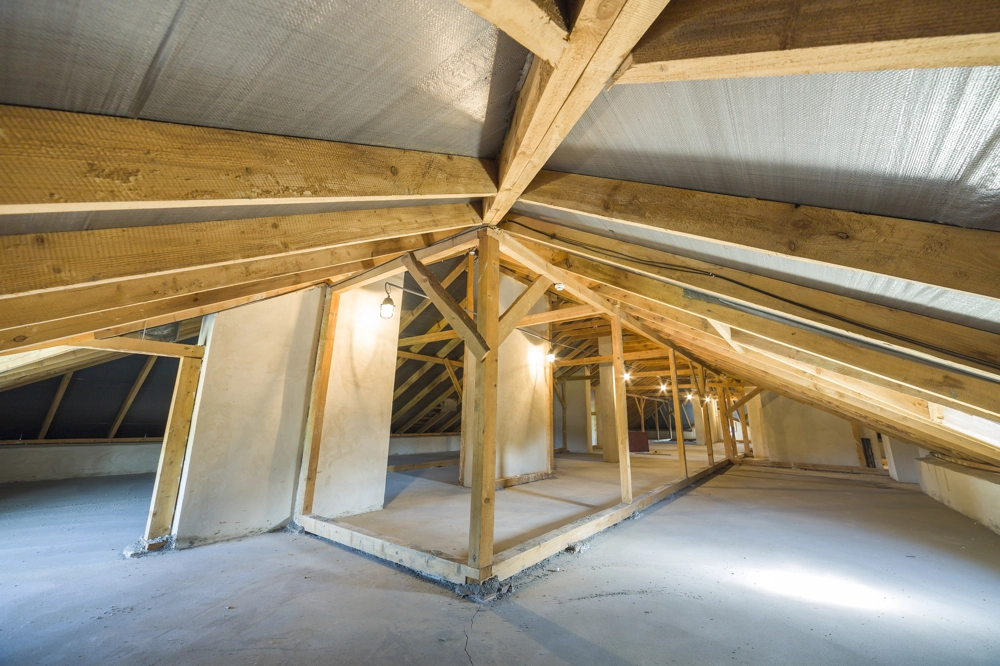
Insulation, plumbing, and electrical work are essential elements of any loft conversion cost, as they ensure a comfortable and functional living environment. Insulation is crucial to maintain energy efficiency and temperature regulation, helping to keep utility bills manageable. The expense of insulation can vary depending on the materials chosen and the specific needs of the loft space. Effective insulation not only contributes to comfort but also supports sustainability efforts by reducing overall energy consumption.
Addressing the plumbing requirements in a loft conversion often involves extending pipes and ensuring adequate water pressure, both of which can impact the overall loft conversion cost. Depending on the project’s complexity, plumbing expenses can range significantly, requiring careful planning and budgeting. Accurate cost assessment is vital to avoid unforeseen expenditures. Utilizing skilled professionals is recommended to ensure all plumbing aspects meet local regulations and quality standards.
Electrical work is another critical component, with costs influenced by the extent of rewiring needed, the installation of new electrical fixtures, and meeting modern safety codes. The loft conversion cost will inevitably rise if extensive electrical upgrades are needed, especially in older homes. It’s advisable to consult with experienced electricians to devise an efficient wiring plan that supports current and future needs. Properly executed electrical work is essential not only for functionality but also for the safety of the newly converted living space.
The geographical location of your property plays a significant role in determining the overall loft conversion cost. In urban areas, the expenses for such projects tend to be higher. This is primarily due to the increased cost of labor and materials, which are more readily available but also more in demand in city environments. High-end finishes, often desired in metropolitan settings, can also add to the loft conversion cost, pushing the budget upward.
Conversely, rural projects may benefit from lower labor costs, but transportation of materials can result in higher expenses. The loft conversion cost in rural settings might also be influenced by the limited availability of skilled contractors familiar with the nuances of such renovations. As a result, homeowners might need to pay a premium to bring in experts from urban centers.
It’s essential for homeowners to obtain multiple quotes, regardless of location, to ensure competitive pricing. Doing so will provide a clearer picture of the loft conversion cost for both urban and rural areas. Additionally, specific considerations such as insulation, plumbing, and electrical work should be factored consistently into the budgeting process. This comprehensive approach ensures a more accurate assessment of the financial implications of your loft conversion project.
When planning a loft conversion, it’s crucial to consider potential structural reinforcements to ensure the safety and durability of the project. These reinforcements might be necessary to support the additional weight and structural changes involved, ultimately impacting the overall loft conversion cost. Understanding these costs and planning for them in your budget can prevent future issues and ensure a smooth renovation process.
Structural reinforcements are essential in maintaining the integrity of your home during a loft conversion. They support the new living space and prevent damage that might otherwise compromise the safety of your property. Knowing how these reinforcements affect the loft conversion cost allows you to budget more accurately and avoid financial surprises.
Estimating the costs involved with structural reinforcements requires a detailed evaluation of your current attic structure. The type of reinforcements, like steel beams or additional supports, can vary in price and complexity. Collaborating with an experienced contractor can help you understand these elements and incorporate them into your loft conversion cost.
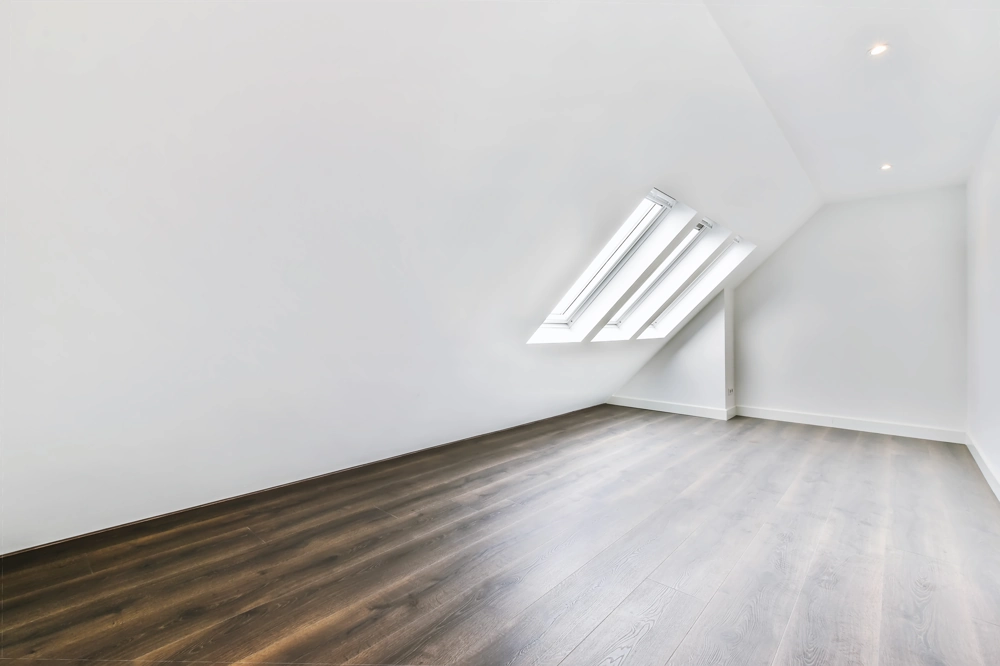
Embarking on a loft conversion project requires a diligent approach to secure competitive quotes from contractors. Start by researching potential contractors specifically experienced in loft conversions, ensuring they are qualified to meet your renovation needs in 2026. Create a detailed brief outlining the scope of your project; this not only clarifies your expectations but also aids contractors in providing accurate estimates. Remember, a well-defined project plan can lead to more precise quotes, assisting you in managing overall loft conversion cost effectively.
Once you have received quotes, compare them not only based on price but also on the quality of materials and services offered. Be vigilant about what each quote includes and exclude, as some contractors might offer lower initial prices, only to have hidden costs later in the project. Assess contractors’ previous work and seek feedback from past clients to gauge their reliability and quality of craftsmanship. This approach ensures that you address both cost and quality, balancing the loft conversion cost with the assurance of excellent workmanship.
Engage in open discussions with potential contractors to negotiate better deals, leveraging multiple quotes to your advantage. Transparency regarding your budget can encourage contractors to tailor their offerings to better meet your financial constraints. Keep in mind that while negotiation can lower the loft conversion cost, it is crucial not to compromise on essential components like structural integrity and safety. By adopting these strategies, you can secure a fair price for your project without sacrificing quality.
Embarking on a loft conversion can be an exciting renovation project, but it requires careful planning to manage the loft conversion cost efficiently. One of the first steps should be establishing a clear budget to guide your decisions. Begin by considering factors such as the type of conversion, necessary materials, and design preferences. This approach allows you to make informed choices that align with your financial capacity without compromising on quality.
Conduct thorough research and obtain multiple quotes from contractors to ensure competitive rates. Identifying reputable professionals and understanding market prices can significantly influence the overall loft conversion cost. Moreover, exploring different designs and structural plans can help optimize both space usage and expenses.
Focus on essential elements such as insulation, plumbing, and electrical work, as these will impact long-term living conditions and future utility bills. By prioritizing critical components, you can manage unexpected expenses that might arise during construction. Implementing strategic decisions and maintaining a flexible approach can lead to a successful loft conversion while keeping costs under control.
Consider utilizing cost-saving techniques like using alternative materials or opting for a basic design to reduce the loft conversion cost. These methods can provide significant savings without sacrificing the final look and functionality of the transformed space.
When considering a loft conversion, it’s crucial to not only focus on its current implications but to also future-proof it for sustained value and utility. Start by selecting high-quality materials that promise durability and require minimal maintenance, minimizing future expenditures. Opt for a flexible layout that can accommodate ever-evolving needs, be it an office space today, a guest room tomorrow, or a recreational area down the lane. Integrating smart technology into your design can further augment the functionality, keeping your space relevant and efficient as demands evolve.
Incorporating sustainable design choices can significantly enhance the long-term value of your loft conversion. Consider energy-efficient windows and eco-friendly insulation to reduce utility costs while contributing to environmental preservation. Installing solar panels and a smart heating system can also provide a favorable return on investment over time by minimizing ongoing energy expenses.
Investments in modern amenities can future-proof your loft conversion, ensuring the space remains desirable and functional. Smart home technologies, such as automated lighting and climate control systems, can continuously adapt to new innovations. Using modular furniture can also offer adaptability for any future space reconfigurations.
It’s essential to plan your loft conversion cost meticulously to accommodate potential future upgrades. Budget for key elements like insulation, plumbing, and technological systems that can be easily updated. Regularly review loft conversion cost trends and allocate funds for occasional enhancements to maintain cutting-edge functionality and appeal.